
Inland Empire leasing hits record 15.5M SF in Q2 2026
CBRE reports record new leasing and falling vacancy across the Inland Empire in Q2 2026, while the construction pipeline shrank 41% year over year.
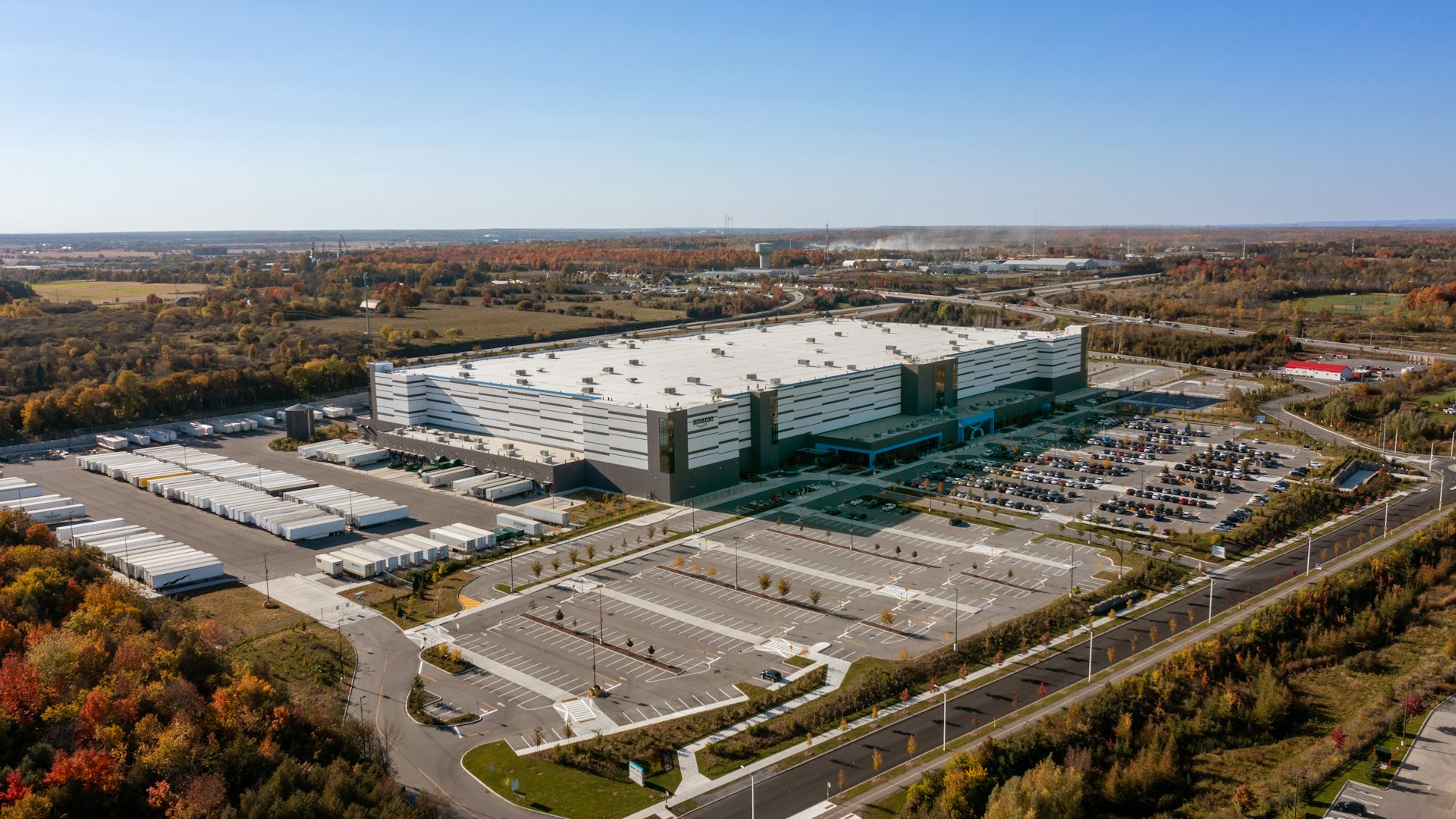
What's happening
The Inland Empire posted its strongest leasing quarter on record in Q2 2026. According to CBRE, new leasing activity reached 15.5 million sq. ft., 12% above the previous high of 13.9 million sq. ft. Vacancy declined in every CBRE-tracked submarket.
Rents did not follow demand upward. Asking and taking rates slipped slightly as landlords continued to compete for large tenants, and new construction starts remained well below the peak years. Deliveries totaled 1.2 million sq. ft. in the quarter, while 3.5 million sq. ft. broke ground, keeping new supply well below the level that pushed vacancy higher in 2024 and 2025. IE East, where much of the recent big-box construction landed, still has the highest vacancy at 9.0%, but it fell 30 basis points in the quarter.
- Vacancy: IE Core 7.4% (down 40 bps quarter over quarter); IE West 5.9%; IE East 9.0%
- Asking rent: IE Core $1.08/SF/month NNN, down $0.01 from Q1
- Taking rent: IE Core $1.05/SF/month NNN, down $0.03
- Pipeline: 6.2M SF under construction, down 41.3% year over year; 1.2M SF delivered in Q2
What it means for owners, tenants and investors
For tenants, the window of concession-heavy deals is narrowing but has not closed. Rents are still edging down, but record leasing and a thinner pipeline mean choice of modern big-box space in the West Inland Empire will tighten first.
For owners and investors, the combination of falling vacancy and a sharply reduced construction pipeline points to a market working through its excess supply. Rent recovery is likely to trail occupancy gains by several quarters. Taking rents, which reflect signed deals rather than listed rates, fell $0.03 in both IE Core and IE West, while IE East held flat at $0.94. Owners of second-generation space should price to those taking rents rather than asking rates, and expect tenants to compare their buildings with newer product that is still available.
Demand has returned to the Inland Empire before rents have, which favors tenants who commit now.
What to watch
Whether Q3 leasing holds near record levels, and whether IE West vacancy below 6% begins to pull taking rents higher. Also watch groundbreakings: the 3.5 million sq. ft. that started in Q2 is the first sign that developers see the supply glut ending.
Photo: Point3D Commercial Imaging Ltd. / Unsplash.
Stop searching, start finding.
Tell us your size, submarket and timing. We research the whole market, including off-market, and come back with options.